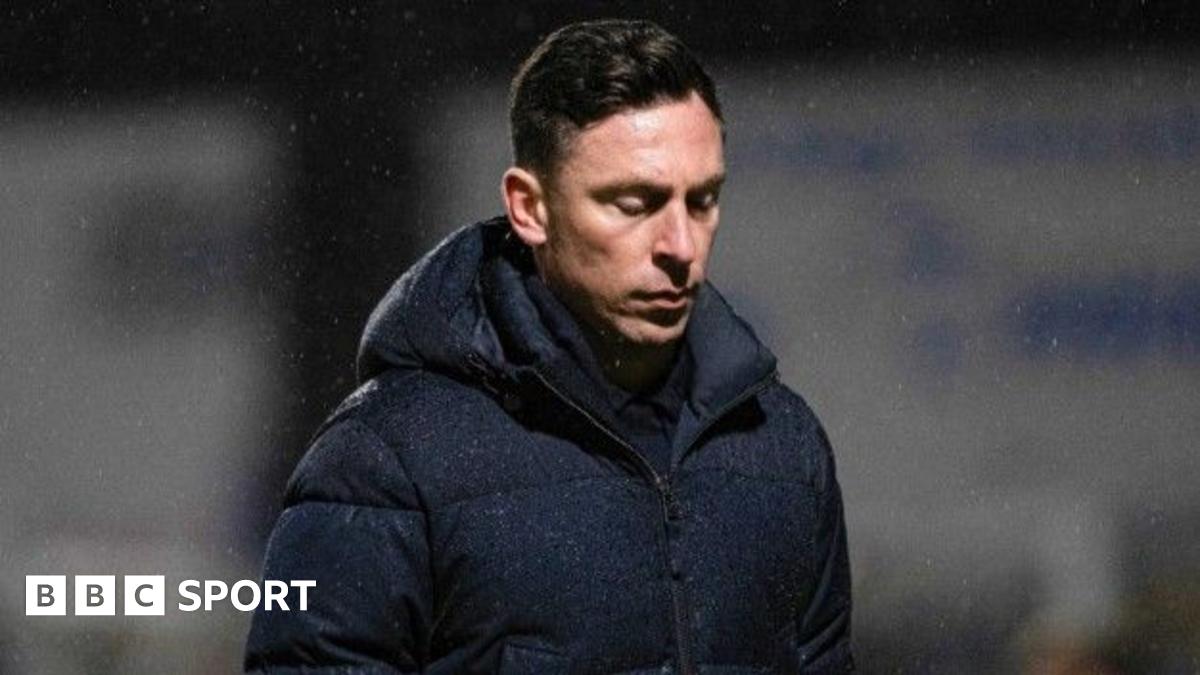
Scott Mills Sacked: Unpacking Historic Personal Conduct Claims
The sudden and unexpected departure of a broadcasting veteran like Scott Mills from the BBC sends ripples through the industry and among a loyal audience. After nearly three decades with the corporation, the news that Mills was "no longer contracted to work with the BBC" left many asking the pressing question: Why Was Scott Mills Sacked? The BBC, a bastion of British broadcasting, rarely sees such high-profile exits unfold without a substantial explanation, and the ensuing silence only fueled public curiosity.
This article delves into the known facts surrounding Scott Mills' abrupt exit, piecing together official statements, internal communications, and public reactions to shed light on a situation that has captivated listeners and media observers alike. While the full, granular details remain largely undisclosed, the available information points towards a narrative of historic allegations concerning personal conduct.
The Abrupt Departure: A Shock to Listeners and Colleagues Alike
The initial signs of Scott Mills' departure were anything but clear. On a seemingly ordinary Tuesday, he signed off his BBC Radio 2 breakfast show with the casual "See you tomorrow," a phrase that, in hindsight, carried an unforeseen finality. The following morning, listeners tuning in were met not by Mills, but by veteran DJ Gary Davies, who simply stated, "Morning, Gary in for Scott," offering no further explanation for the change. This swift, unexplained replacement immediately signaled that something significant had occurred.
The surprise wasn't limited to the audience. Jeremy Vine, a fellow BBC presenter, openly admitted on his own Radio 2 show that he was "taken aback" by the news, having only learned of it minutes before going on air. His candid reaction highlighted the internal shockwaves that Mills' exit had caused within the BBC. The lack of prior warning or a customary farewell for a personality of Mills' stature underscored the unprecedented nature of the situation, leading to widespread speculation and a flurry of online discussions.
Unpacking the Historic Personal Conduct Claims
Amidst the swirling rumors, the BBC began to provide carefully worded statements. A spokesperson confirmed Scott Mills was "no longer contracted to work with the BBC," adhering to the broadcaster's policy of not commenting on individual employment matters. However, the picture began to clarify when internal communications and subsequent reports surfaced, indicating the underlying reasons for his termination.
Lorna Clarke, the BBC's Director of Music, addressed staff in an email, acknowledging the news as "sudden and unexpected" and a "shock." Crucially, this internal message, combined with reports from reputable sources, confirmed that Mills' departure was linked to "historic allegations" concerning his personal conduct. It was further reported that these claims were related to incidents occurring more than a decade ago.
It is important to emphasize that while the existence of these "historic personal conduct claims" has been widely reported and acknowledged through internal BBC communications, the specific details or nature of these allegations have not been publicly disclosed by the BBC. The corporation's official stance remains consistent with its policy of respecting individual privacy in employment matters. Therefore, any speculation beyond the confirmed presence of such allegations would be unfounded and inappropriate. For more context on the allegations, consider reading Why Was Scott Mills Sacked? The Allegations After 30 Years.
The BBC's Official Stance and Internal Handling
The BBC's response to Scott Mills' departure has been characterized by a delicate balance between acknowledging the event and maintaining confidentiality. The formal statement, "Scott Mills is no longer contracted to work with the BBC," is a standard corporate response in such situations, designed to be factual without divulging sensitive details.
Internally, Lorna Clarke's email to staff served as a critical communication, aiming to inform employees while also managing expectations for further information. Her message conveyed a sense of gravity, acknowledging the profound impact of the news on colleagues who had worked with Mills across various BBC platforms—including Radio 1, 5Live, Radio 2, and TV—for many years. She also underscored the shock this would bring to the audience, promising updates on plans for the breakfast show when possible. This internal transparency, albeit limited in detail, helps to navigate the organizational impact of a sudden high-profile exit. The BBC's approach underscores the complexities involved in managing the termination of a long-serving, public-facing individual, particularly when sensitive allegations are involved. For a broader view on the confirmation of his exit, refer to BBC Confirms Scott Mills Exit Amid Sudden Departure Shock.
Navigating Public Trust and Confidentiality in High-Profile Cases
The situation surrounding Scott Mills' departure highlights the inherent challenges media organizations face when dealing with high-profile personnel issues, especially those involving allegations of misconduct. Balancing public interest and transparency with an individual's right to privacy and the legal obligations of an employer is a tightrope walk. The BBC, as a publicly funded body, operates under intense scrutiny, and its actions are often dissected by both the media and the general public.
In such scenarios, maintaining trust—both internally among staff and externally with the audience—is paramount. While the public naturally desires full disclosure, particularly when a beloved personality is involved, organizations often have strong legal and ethical reasons to limit specific details, especially if investigations are ongoing or if the information could compromise individuals' privacy. For organizations, it often means providing just enough information to confirm the facts without fueling unverified claims or prejudicing any potential proceedings. This approach, while sometimes frustrating for the public, is often a necessary measure to ensure fairness and adherence to legal protocols.
What Comes Next for BBC Radio 2 and Scott Mills?
With Scott Mills' chapter at the BBC closed, the immediate future of the BBC Radio 2 breakfast show remains a point of focus. Gary Davies, a familiar voice to Radio 2 listeners, has stepped in to host, at least temporarily. The BBC will undoubtedly be planning for a long-term solution to fill the significant void left by Mills, who cultivated a distinct style and a dedicated following over his extensive career.
For Scott Mills himself, the path forward is less clear. A broadcaster with nearly three decades of experience, his talent and rapport with audiences are undeniable. However, the nature of his departure, linked to historic conduct claims, undoubtedly presents challenges. How he chooses to address the situation, or indeed if he chooses to at all, will shape public perception and potential future opportunities in the media landscape. The broadcasting world is dynamic, and while exits can be sudden, careers often find new avenues. Only time will tell where this unexpected turn takes him and how the narrative around his departure evolves.
In conclusion, Scott Mills' abrupt departure from the BBC was a moment of significant surprise, marked by his unexpected absence from the airwaves and the subsequent confirmation of his contract termination. While the BBC has maintained a policy of discretion regarding the specifics, internal communications and reports have consistently linked his exit to historic allegations concerning his personal conduct. As the dust settles, the event serves as a stark reminder of the complexities inherent in high-profile employment decisions within major media institutions, balancing public accountability with individual privacy.