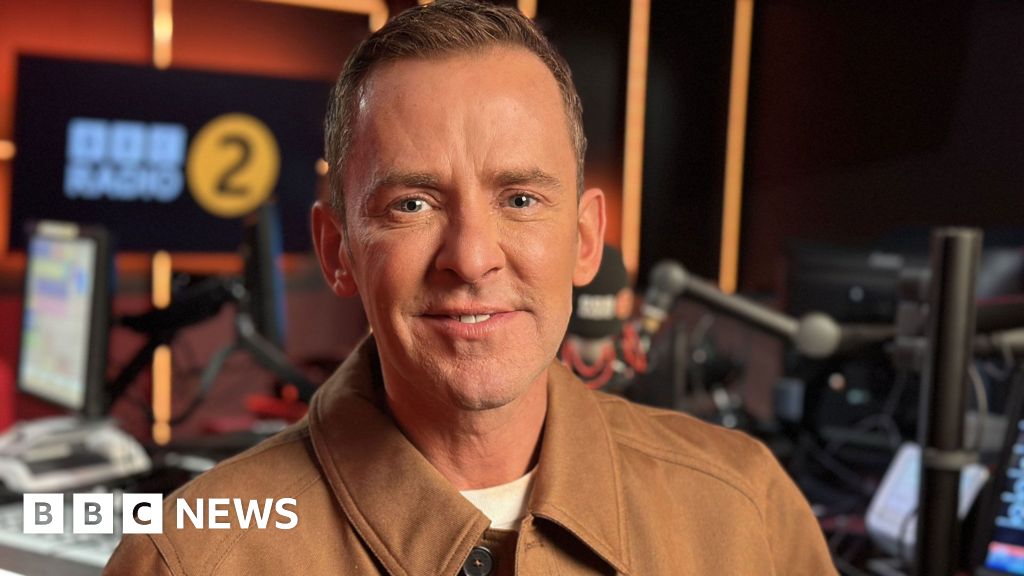
BBC Confirms Scott Mills Exit Amid Sudden Departure Shock
The broadcasting world was set ablaze with speculation and surprise following the sudden announcement of veteran DJ Scott Mills' departure from the BBC. After an illustrious career spanning nearly three decades, including prominent roles on Radio 1, 5 Live, and most recently BBC Radio 2, Mills' exit has left listeners and colleagues reeling. The BBC's official confirmation that he is "no longer contracted to work with the BBC" has only fueled the intense public interest, particularly the pressing question: Why Was Scott Mills Sacked?
The abruptness of his departure, combined with a lack of specific details from the broadcaster, has created a vacuum of information, quickly filled by reports citing "allegations about Scott Mills' personal conduct." This article delves into the known facts surrounding this unexpected exit, exploring the immediate aftermath, the nature of the reported allegations, and the legacy of a broadcasting icon whose career ended with startling suddenness.
The Sudden Departure That Shocked Listeners and Colleagues
The first indication of something amiss came on Wednesday, March 25th, when long-time BBC DJ Gary Davies unexpectedly stepped in to host the Radio 2 breakfast show. His calm, understated opening – "Morning, Gary in for Scott" – offered no hint of the seismic shift that had just occurred. This quiet transition was in stark contrast to Scott Mills' sign-off the previous day, Tuesday, March 24th, when he cheerfully told listeners, "See you tomorrow."
This ordinary farewell turned out to be his last on air for the BBC, highlighting the unplanned nature of his exit. The shockwaves quickly reverberated through the corporation. Lorna Clarke, the BBC's Director of Music, acknowledged the unexpected nature of the news in an email to staff. "I wanted to personally let you know that Scott Mills has left the breakfast show, and the BBC," she wrote. "I know that this news will be sudden and unexpected and therefore must come as a shock. Not least as so many of us have worked with Scott over a great many years, across a broad range of our programmes on R1, 5Live, R2 and TV." Her message underscored the widespread surprise internally and confirmed the immediate and complete termination of his employment. The BBC spokesperson's formal statement simply reiterated: "While we do not comment on matters relating to individuals, we can confirm Scott Mills is no longer contracted to work with the BBC."
For someone who had become a household name over nearly 30 years, building a reputation for engaging radio and a relatable on-air persona, such a swift and quiet exit was unprecedented. It immediately sparked a fervent public debate and quest for understanding among his loyal fanbase and the wider media, all centered on the compelling question: Why Was Scott Mills Sacked?
Unpacking the Allegations: Personal Conduct Claims Emerge
In the absence of a detailed official statement from the BBC regarding the reasons for Scott Mills' departure, information began to surface from other sources. Jeremy Vine, a fellow BBC Radio 2 presenter, was among the first to address the situation publicly on his own show. He confessed to being "taken aback" by the news, stating, "I had not heard anything about it until 17 minutes ago, when it was on the BBC website and I only had the information that was given to you in the bulletin, I have nothing more, that it was allegations about Scott Mills’ personal conduct, which have led to him being sacked."
Subsequent reports corroborated this, with news outlets confirming that the BBC Radio 2 breakfast host's contract was terminated following "historic allegations" concerning his personal conduct. Some reports further specified that these allegations were linked to conduct from "more than 10 years ago." The term "sacked" has been widely used in media reports to describe the termination of his contract, indicating that the departure was not voluntary but a decision made by the BBC based on internal findings or investigations related to these allegations. For a more in-depth look at these claims, consider reading Why Was Scott Mills Sacked? The Allegations After 30 Years.
The BBC's policy of not commenting on individual staff matters, while standard, means that specific details about the nature of the allegations, the investigation process, or the precise reasons for the contract termination are unlikely to be made public by the corporation. This discretion, however, often leaves a vacuum for speculation, even as it protects the privacy of all parties involved. The focus remains on the reported "personal conduct" and "historic" nature of the claims that ultimately led to the sudden end of a long and distinguished career. For a deeper dive into the specifics surrounding these claims, you might find Scott Mills Sacked: Unpacking Historic Personal Conduct Claims particularly insightful.
A Legacy of Nearly Three Decades: Scott Mills' Impact on BBC Radio
Scott Mills' departure marks the end of an era for many listeners. His career with the BBC began almost 30 years ago, evolving from local radio to national prominence. He became a staple of BBC Radio 1, where his afternoon show, often co-hosted with Chris Stark, garnered a massive and devoted following. Known for his wit, warmth, and ability to connect with a diverse audience, Mills created segments and catchphrases that became part of the cultural lexicon.
His move to BBC Radio 2, taking over the breakfast show from Zoe Ball, was a significant step in his career, introducing his distinctive style to an even broader, albeit different, demographic. Over the years, he demonstrated remarkable versatility, contributing to BBC Radio 5 Live and various television programmes, solidifying his status as one of the UK's most recognizable and beloved broadcasters. His longevity and consistent popularity speak volumes about his talent and ability to evolve with changing listener tastes.
The impact of his sudden exit, therefore, extends beyond just a programming change. It represents the abrupt conclusion of a significant chapter in British broadcasting history. Listeners accustomed to his voice, his humor, and his presence are left to grapple not only with the loss of a favorite presenter but also with the unsettling circumstances surrounding his exit.
Navigating High-Profile Departures in Public Broadcasting
The manner in which high-profile personalities depart from major public broadcasters like the BBC often follows a tightly controlled protocol, especially when sensitive issues are involved. The BBC's immediate focus is typically on managing the operational aspects—such as finding a replacement quickly, as seen with Gary Davies stepping in—while adhering to legal and HR guidelines regarding employee privacy.
When "personal conduct" allegations surface, particularly those deemed "historic," the situation becomes even more complex. Public broadcasters are held to a high standard of accountability and ethical conduct, both internally and in the public eye. Any allegations, regardless of their age, are often taken extremely seriously, potentially triggering internal investigations. The decision to terminate a contract, especially for a long-serving and popular figure, is rarely made lightly and typically follows a thorough internal process, even if the details are never publicly disclosed.
From a listener's perspective, such events can erode trust or create a sense of unease. However, it's also a reminder of the BBC's commitment to upholding certain standards. While the lack of specific information can be frustrating, it is often a deliberate choice to protect the individuals involved and the integrity of any internal processes, navigating a delicate balance between public transparency and personal privacy. For other broadcasters, this incident serves as a stark reminder of the continuous scrutiny public figures face and the enduring importance of professional and personal conduct.
The abrupt departure of Scott Mills from the BBC, after nearly three decades of service, undeniably sent shockwaves through the industry and among his vast listenership. While the BBC officially stated he is "no longer contracted," reports from credible sources, including fellow BBC presenters, quickly pointed towards "allegations about Scott Mills' personal conduct," with some specifying these as "historic claims." As the BBC maintains its standard policy of not commenting on individual staff matters, the precise details surrounding these allegations remain unconfirmed by the corporation. What is clear, however, is the sudden and unexpected end to a prolific broadcasting career, leaving many to ponder the implications of such rapid changes in the world of public media and reinforcing the enduring question: Why Was Scott Mills Sacked?